


Should You Fix or Flip Your Toilet?
01
Toilet Repair vs. Toilet Replacement: How to Know Which You Actually Need
02
Why Toilet Problems Should Never Be Ignored
03
Common Toilet Issues That Only Need Repair
04
When to Replace a Toilet Instead of Repairing It
05
Cost Comparison: Repair vs. Replacement
06
How Local Water Conditions in Longview, Tyler, and Whitehouse Matter
07
DIY or Professional Plumber Toilet Repair?
08
Fact-Focused Summary
09
Conversion-Oriented Conclusion
10
Frequently Asked Questions
Introduction
Toilets are built to last, but they are not indestructible. Homeowners in Longview, Tyler, and Whitehouse often ask the same question: Should you fix the problem, or is it time for a full replacement?
Understanding when to replace a toilet can save you money, prevent water damage, and reduce emergency plumbing calls. This guide explains the differences between repair and replacement, outlines warning signs, and provides direct answers for homeowners, DIYers, emergency seekers, and homebuyers.
If you’re searching for Toilet Repair Near Me or Clogged Toilet Repair Near Me, this article will help you decide your next step.
Why Toilet Problems Should Never Be Ignored
A leaking or malfunctioning toilet wastes water and increases your utility bill. According to the Environmental Protection Agency, household leaks can waste nearly 10,000 gallons of water per year.
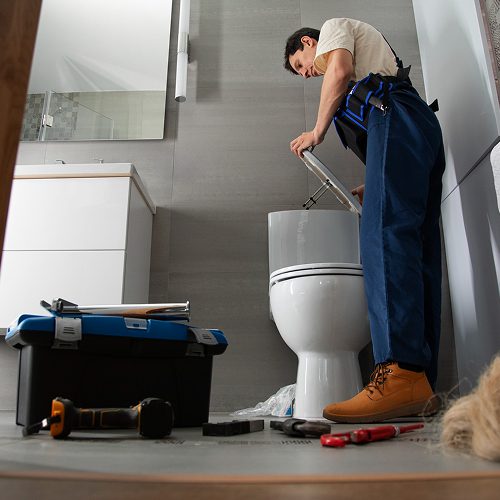
Ignoring small issues can lead to:
- Subfloor damage
- Mold growth
- Higher water bills
- Emergency plumbing calls
Knowing when to replace a toilet instead of repeatedly repairing it prevents long-term structural damage.
Common Toilet Issues That Only Need Repair
Not every problem requires a new fixture. Many cases can be resolved through professional Toilet Repair Service.
Running Toilet
Usually caused by:
- Worn flapper
- Faulty fill valve
- Chain issues
These are inexpensive repairs handled by a licensed plumber toilet repair specialist.
Minor Leaks at the Base
Often due to:
- Failed wax ring
- Loose bolts
If caught early, this is a repair, not a reason to determine when to replace a toilet.
Frequent Clogs
If you are searching for Clogged Toilet Repair Near Me, the issue may be:
- Partial drain blockage
- Low-flow design limitations
- Improper flushing habits
Most clog issues can be repaired without replacement.
When to Replace a Toilet Instead of Repairing It
Here’s where the decision becomes clear. Below are the most common signs indicating when to replace a toilet.
Cracks in the Porcelain
Visible cracks in the bowl or tank can worsen and cause flooding. Porcelain cannot be permanently repaired. Replacement is the safest option.
Constant Repairs Over Time
If you’ve had multiple repairs within 2–3 years, replacement may be more cost-effective. Repeated service calls increase overall expenses.
Wobbling Toilet
If the toilet shifts even after tightening bolts, there may be subfloor damage. In many cases, replacement is necessary.
Inefficient Water Usage
Older toilets (pre-1994) use 3.5–7 gallons per flush. Modern high-efficiency models use 1.28 gallons.
Upgrading can significantly reduce water bills. This is a key factor in deciding when to replace a toilet.
Severe Stains and Surface Damage
Permanent mineral stains from East Texas hard water can degrade internal parts. If components corrode repeatedly, replacement may be better long term.
Cost Comparison: Repair vs. Replacement
Understanding costs helps clarify when to replace a toilet.
Repair Costs
- Flapper replacement: Low cost
- Fill valve replacement: Moderate cost
- Wax ring repair: Moderate cost
- Drain clearing: Varies
Replacement Costs
- New toilet fixture
- Labor
- Disposal of the old unit
- Possible flange repair
If repair costs exceed 40–50% of replacement cost, replacement is usually recommended.
How Local Water Conditions in Longview, Tyler, and Whitehouse Matter
Homes in Longview, Tyler, and Whitehouse often experience hard water. Mineral buildup can:
- Corrode internal components
- Reduce flushing efficiency
- Cause repeated valve failures
Local plumbing professionals understand these regional challenges. A company like Benjamin Franklin Plumbing Tyler evaluates not just the symptom, but the long-term impact of East Texas water conditions.
This regional awareness is essential when determining when to replace a toilet versus repairing it again.
DIY or Professional Plumber Toilet Repair?
DIY repairs are suitable for:
- Replacing flappers
- Adjusting float height
- Tightening bolts
However, professional service is recommended for:
- Drain line issues
- Persistent leaks
- Cracked bowls
- Structural floor damage
Searching for Toilet Repair Near Me often connects you with licensed plumbers who can inspect the entire system.
Benjamin Franklin Plumbing Tyler provides professional evaluations that help homeowners confidently decide when to replace a toilet instead of continuing temporary fixes.
Fact-Focused Summary
- Minor leaks and running toilets usually require repair.
- Cracks, inefficiency, and repeated breakdowns signal replacement.
- Older toilets waste water and increase bills.
- Hard water in East Texas accelerates component wear.
- If repair costs approach half the price of a new unit, replacement is often smarter.
Understanding when to replace a toilet prevents emergencies, reduces water waste, and protects your home’s structure.
Conversion-Oriented Conclusion
Toilet issues rarely fix themselves. If you’re unsure whether you need repair or replacement, a professional inspection saves time and money.
Homeowners in Longview, Tyler, and Whitehouse can contact Benjamin Franklin Plumbing Tyler for an honest evaluation. Whether you need a quick Toilet Repair Service or a full replacement, making the right decision today prevents larger plumbing problems tomorrow.
Frequently Asked Questions
If the toilet has cracks, frequent breakdowns, or high water usage, replacement is usually better. Minor leaks or running issues typically require repair only.
Local repair services can fix common issues, but repeated repairs may indicate when to replace a toilet for long-term savings.
Sometimes. If the issue is a loose flange or wax ring, repair works. If the subfloor is damaged, replacement may be required.
Not usually. A Clogged Toilet Repair Near Me search often solves the problem unless the toilet design is outdated or inefficient.
Most toilets last 15–25 years. Older units are less efficient and may signal when to replace a toilet.
Yes. Modern models use 1.28 gallons per flush, compared to older 3.5+ gallon systems.
Costs vary, but replacing an inefficient toilet can lower water bills and prevent future repair costs.
If toilets are outdated or stained, replacing them improves efficiency and resale value.
Yes. Mineral buildup can corrode parts and reduce efficiency over time.
Call immediately if you notice cracks, flooding, sewage odors, or water pooling around the base.