


Lindale TX Water Quality: Hard Water Issues and Solutions
If you live in Lindale, TX, you’ve probably noticed the signs: white residue on your faucets, soap that won’t lather, or a water heater that dies years earlier than expected. These aren’t random annoyances. They’re symptoms of a water quality problem that quietly costs East Texas homeowners hundreds of dollars a year.
The City of Lindale draws its water from groundwater wells in the Carrizo-Wilcox aquifer. According to the Environmental Working Group’s Tap Water Database, Lindale’s system has had contaminants detected above health-based guidelines. That doesn’t mean the water is unsafe, but it does mean your plumbing is working harder than it should. Here’s what every Lindale homeowner should know, and what a plumber in Lindale, TX can do about it.
What Makes Lindale’s Water Hard?
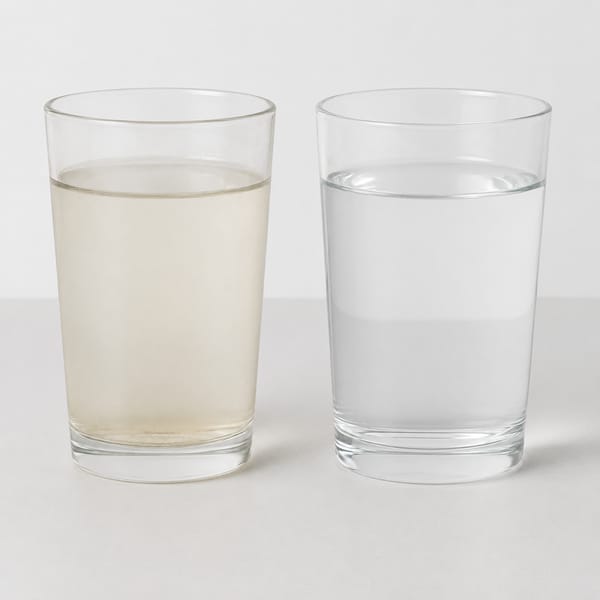
Water hardness results from dissolved calcium and magnesium. The U.S. Geological Survey defines water above 120 mg/L as hard and above 180 mg/L as very hard. Most of East Texas is moderate to hard.
The Carrizo-Wilcox formation, the aquifer that feeds Lindale’s wells, runs through limestone and sandstone rich in minerals. By the time water reaches your tap, it’s carrying enough calcium and magnesium to leave deposits on everything it comes into contact with. The City of Lindale’s water quality report confirms that the local supply is susceptible to contamination due to these source characteristics.
How Hard Water Damages Your Home
Hard water builds mineral scale slowly inside pipes, water heaters, and fixtures over months and years.
- Water heaters — Scale coats heating elements, forcing the unit to use more energy. A water heater in hard water may last 8–10 years instead of 12–15.
- Pipes — Mineral deposits narrow pipe interiors over time, reducing water pressure. Older galvanized lines are especially vulnerable.
- Fixtures — That white or greenish crust around your faucet or showerhead is calcium scale. It clogs aerators and damages seals.
- Appliances — Dishwashers, washing machines, and ice makers all lose efficiency. The EPA estimates hard water can cut appliance performance by up to 30%.
If water pressure in your Lindale home has been declining, a plumbing inspection can determine whether scale buildup is the cause.
Beyond Hardness: Disinfection Byproducts
Lindale’s water also contains disinfection byproducts — chemicals that form when chlorine, used in treatment, reacts with organic matter in groundwater. These include total trihalomethanes (TTHMs) and haloacetic acids (HAAs). Lindale meets all federal legal limits, but some levels exceed EWG’s more conservative health guidelines.
A whole-home filtration system tackles both hardness and byproducts before water reaches your fixtures.
Signs You Have a Hard Water Problem
Watch for these indicators:
- White or chalky deposits on faucets and showerheads.
- Soap scum that’s difficult to rinse from tubs and sinks.
- Dry skin and hair after showering.
- Spots on dishes even after running the dishwasher.
- Gradually decreasing water pressure.
- Higher energy bills from an overworked water heater.
If several signs sound familiar, a leak detection and pressure assessment from a Lindale plumber can reveal hidden damage from years of hard water exposure.
Solutions That Work for Lindale Homes
Water softeners remove calcium and magnesium through ion exchange. They’re the most effective solution for hardness and can dramatically extend the life of your plumbing. Benjamin Franklin Plumbing installs water softener systems designed for East Texas water conditions.
Whole-home filtration addresses a broader range of issues: chlorine, disinfection byproducts, sediment, and contaminants beyond just hardness. If your concern includes water taste or health, filtration may be the better investment.
Many Lindale homes benefit from both: a softener to reduce mineral content and a filter to improve drinking water quality. A licensed plumber can test your water and recommend the right setup for your home.
Frequently Asked Questions
Lindale’s water meets all EPA legal standards and is monitored by the Texas Commission on Environmental Quality. Some contaminants have been detected above more conservative health guidelines, so many homeowners add point-of-use or whole-home filtration for extra peace of mind.
Groundwater from the Carrizo-Wilcox aquifer is generally moderately hard to hard. Most Lindale homes see enough mineral content to cause visible scale on fixtures and inside water heaters.
Yes. Scale buildup on heating elements reduces efficiency and shortens lifespan. Annual flushing helps, but a water softener provides the best long-term protection.
In the Tyler-Lindale area, residential water softener installation typically ranges from $1,500 to $3,500, depending on system size and plumbing configuration.
A softener removes hardness minerals (calcium and magnesium) through ion exchange. A filter removes a broader range of contaminants, including chlorine and disinfection byproducts. In Lindale, many homeowners benefit from both.
Hard water isn’t an emergency; it’s a slow problem that costs money in energy bills, early appliance replacements, and preventable plumbing repairs. Proven solutions exist, and a local East Texas plumber can help you pick the right one.
We serve Lindale, Tyler, Longview, Whitehouse, and communities across East Texas. If hard water is affecting your home, schedule a plumbing inspection and water quality assessment today.