


Table of Contents
01
How Chemical Drain Cleaners Damage Pipes
02
Why the Same Drain Keeps Clogging
03
What Professional Drain Cleaning Looks Like
04
Safe Home Remedies That Actually Help
05
When to Call a Professional
06
Frequently Asked Questions
When a drain backs up, most homeowners reach for Drano or Liquid-Plumr. It’s cheap and usually works, but it’s temporary. Chemical drain cleaners actively damage the pipes they’re poured into, and the “quick fix” often creates problems that cost far more than professional drain cleaning in Tyler, TX.
At Benjamin Franklin Plumbing, we see the results regularly — corroded pipes, weakened joints, and recurring clogs that never resolve. Here’s what’s actually happening and what works instead.
How Chemical Drain Cleaners Damage Pipes
Chemical drain cleaners work through a heat-generating chemical reaction. Most contain sodium hydroxide (lye) or sulfuric acid, which dissolve organic material like hair, grease, and soap scum. The issue is that the drain cleaner also attacks the pipes themselves.
According to the American Chemical Society, these reactions generate a large amount of heat. The Consumer Product Safety Commission also warns about the risks of chemical burns from splashback. The pipe damage includes:
- PVC pipe softening: The heat from chemical reactions can warp or weaken PVC joints, leading to leaks.
- Metal pipe corrosion: Older galvanized steel and cast iron pipes are especially vulnerable to acidic or caustic compounds.
- Pipe joint deterioration: Repeated use weakens the seals at connections, creating slow, hidden water leaks inside walls and under floors.
- Partial clogs left behind: Chemical cleaners often dissolve only part of a blockage. This leaves a residue that attracts new debris and quickly clogs the pipe again.
Most plumbing professionals will tell you: if you’re using chemical drain cleaners more than once or twice on the same drain, you have a problem that chemicals won’t solve.
Why the Same Drain Keeps Clogging
If you’re reaching for Drano every few weeks, the chemical isn’t fixing the problem — it’s masking it. Recurring clogs usually point to an underlying issue:
- Pipe buildup: Years of soap scum and mineral deposits narrow the interior. Chemicals punch through but leave wall buildup intact. Our blog on why your drain keeps clogging even after you fix it covers this in detail.
- Tree root intrusion: In East Texas, roots seek moisture in sewer lines. No chemical will remove them. In many cases, trenchless sewer line repair is the only lasting fix.
- Pipe damage: Sagging or damaged pipes create low spots where debris collects, requiring physical repair.
Professional drain cleaning identifies the actual cause rather than concealing the symptom.
What Professional Drain Cleaning Looks Like
Professional plumbers use methods that clear drains completely without damaging pipes:
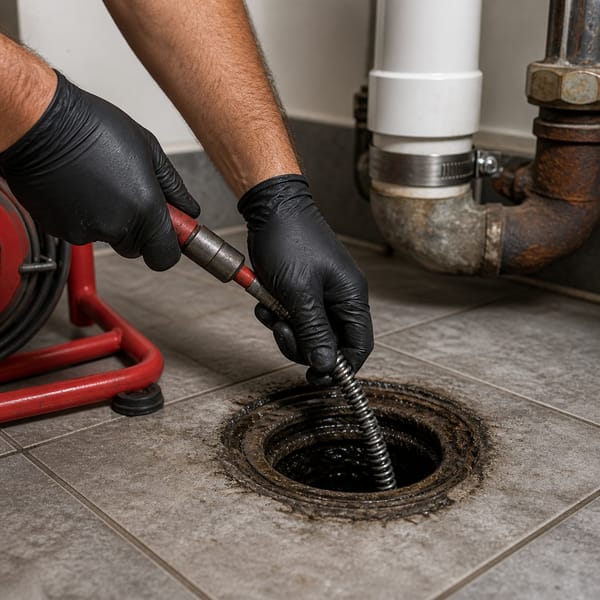
Drain snaking (mechanical auger): A flexible metal cable with a cutting head physically breaks through clogs and pulls debris out of the pipe. It’s the standard for most household drain clogs and is safe for all pipe types.
Hydro jetting: High-pressure water scours the interior of pipes, removing both the clog and the buildup that causes future clogs. This is the most thorough drain cleaning method available, restoring pipes to near-original flow capacity.
Camera inspection: A plumbing inspection camera inserted into the drain reveals exactly what’s causing the problem — buildup, roots, damage, or foreign objects — and eliminates guesswork.
In East Texas, where hard water, clay soil, and mature trees create persistent challenges, professional cleaning is almost always more cost-effective than repeated chemical treatments.
Safe Home Remedies That Actually Help
Not every slow drain requires a professional call. For minor slowdowns, these approaches are safer than chemical cleaners:
- Boiling water: Effective for grease-based clogs in kitchen sinks. Pour slowly and repeat.
- Baking soda and vinegar: Pour 1/2 cup of baking soda, then 1/2 cup white vinegar; wait 30 minutes, then flush with hot water. The EPA recommends safer alternatives over harsh chemicals when possible.
- Manual drain cleaning: Remove the drain cover and pull out hair or debris. A plastic barbed drain tool costs a few dollars and handles most bathroom drain clogs.
- Enzyme-based cleaners: Enzyme-based cleaners use bacteria to slowly break down organic buildup. They’re safe for pipes, but they take time to work, so they’re better for regular maintenance than clearing a clog that’s already formed.
These address minor issues without damaging pipes. For anything persistent, call a Tyler plumber rather than escalating to chemicals.
When to Call a Professional
Schedule professional drain cleaning in Tyler, TX when:
- A drain is completely stopped and home remedies haven’t worked.
- The same drain clogs repeatedly despite clearing.
- Multiple drains in your home are slow simultaneously (indicates a main line issue).
- You notice gurgling sounds from drains or toilets.
- There’s a sewage odor coming from the drains.
- Water backs up in unexpected places (the shower backs up when you flush the toilet).
For emergency plumbing situations such as sewage backups or flooding, don’t wait — call immediately.
We serve Tyler, Longview, Whitehouse, Lindale, and communities throughout East Texas with professional drain cleaning, camera inspection, and leak detection.
Benjamin Franklin Plumbing provides expert drain cleaning throughout Tyler, TX, and East Texas. Contact us to schedule service and keep your drains flowing without damaging your pipes.
Frequently Asked Questions
No. The heat and caustic chemicals in products like Drano and Liquid-Plumr can soften PVC, corrode metal pipes, and weaken joints. Occasional use may not cause immediate failure, but repeated use significantly shortens pipe life.
For minor clogs, try baking soda and vinegar or a manual drain tool. For persistent or complete blockages, professional drain snaking or hydro jetting is the safest and most effective solution.
In the Tyler area, basic drain cleaning usually runs between $150 and $350, depending on where the clog is and how serious it is. A camera inspection may be an additional cost, but it can save money by showing exactly what’s causing the problem.
Most homes benefit from professional drain maintenance every 1-2 years, especially in East Texas where hard water and tree root intrusion are common. Homes with recurring issues may need more frequent service.
Yes. If the chemical does not fully dissolve the clog, it can remain in the pipe, generate heat, and corrode the plumbing. It can also harden or re-solidify partially dissolved material, making the blockage harder for a professional to remove.